Surgery is one of the major causes of deep vein thrombosis (DVT), a blood clot that forms in the deep veins of your body, very often in your leg.
Blood Clots After Surgery
Clots happen when your blood thickens and sticks together and this is useful because it prevents you from bleeding, but not so much when a clot forms inside your blood vessels. Sometimes, a blood clot can travel to your lungs. This is called a pulmonary embolism (PE), and it can be life-threatening if it blocks blood flow.
While a clot can form after any type of procedure, you’re more likely to get one if you’ve had major surgery, particularly on your abdomen, pelvis, hips, or legs.
Some specific operations that come with a high risk for DVT and PE are:
- Knee or hip replacement
- Peripheral and coronary artery bypass
- Surgery to remove cancer
- Neurosurgery
- Surgery on your abdomen
- Other major operations
Why It Happens
These and other surgeries raise your risk for DVT because you often stay in bed for long periods of time while you recover. When you stop moving, blood flows more slowly in your deep veins, which can lead to a clot. Other surgery–related factors that may increase your risk for blood clots include:
- How extensive or long the procedure was
- The way you had to be positioned during surgery
- The type of anaesthesia used
You’re most likely to get a clot between 2 and 10 days after your surgery, but your odds remain high for about 3 months.
You may have a greater chance of DVT after surgery when you:
- Smoke
- Had DVT in the past
- Are overweight or obese
- Have close family members with DVT
- Are pregnant
- Have a disorder that affects your blood or veins
- Are older
- Use certain medicines, including birth control and hormone therapy
- Have specific types of cancer
During Surgery
Sometimes, the surgery itself can cause a blood clot. Long procedures where you’re lying on the operating table for many hours allow your blood to settle and pool, which makes it easier to clot. Major surgeries like cancer and heart bypass operations tend to take longer, which is one reason they’re higher risk for DVT.
Tissue, debris, fat, or collagen could get released into your blood system during an operation, making blood thicker around those particles. Blood clots can also form if your veins are damaged during an operation.
Surgeries that involve scraping or cutting into a bone, such as a hip replacement, may release substances known as antigens. These antigens trigger your body’s immune system and can lead to clots.
Symptoms
Let your doctor know right away if you have any signs of DVT or PE (pulmonary embolism):
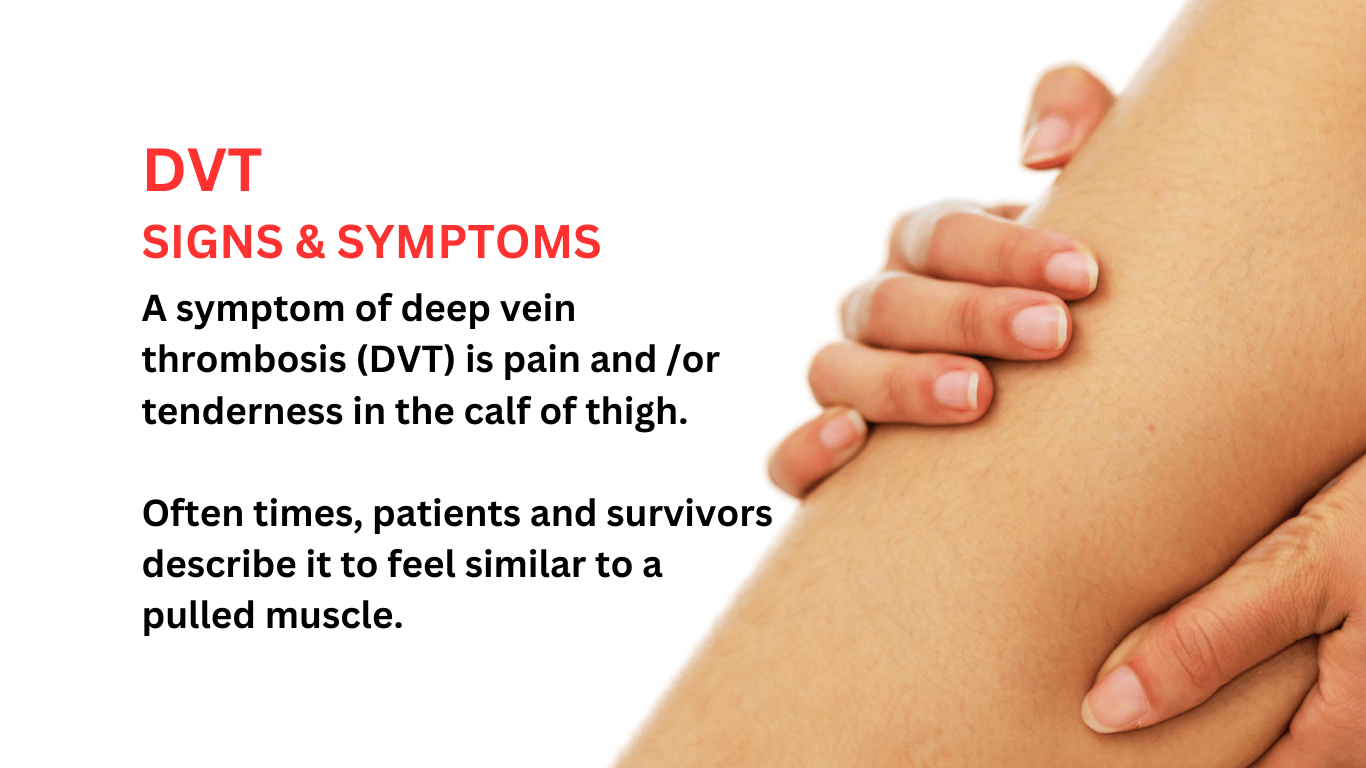
- Pain or tenderness in your leg
- Swelling or warmth in your leg
- Red or discoloured skin on your leg
- Veins that stick out
- Shortness of breath
- Coughing up blood
- Sudden chest pain
- Painful breathing
How to Help Prevent DVT Before Surgery
If you smoke, quit. Work on getting rid of any extra pounds you’re carrying, too. During pre-surgery consultation you must inform your doctor of any other medical conditions you may have.
How to Lower Your Chances for DVT After Surgery
While you’re recovering at the hospital, it’s important to keep your blood moving to lower your chances for blood clots.
The DVT prevention plan your doctor makes for you might include:
- Blood thinner medicines. These are also called anticoagulants. They make it harder for your blood cells to stick together and form clots.
- Getting mobile. A nurse will help you get out of bed to move around as soon as possible after surgery. It’s good for your blood flow.
- Elastic compression stockings. Your doctor may recommend these to help keep your blood flowing and to stop it from pooling in your veins, which could cause clots to form. Compression stockings fit snugly and may feel uncomfortable at first, but you may get used to them after you wear them a few times.
- Compression device. This type of gadget applies pressure to your legs to get blood moving and prevent clots. They have names like “sequential compression device” or “intermittent pneumatic compression” device. Your care team wraps plastic sleeves around your legs, and a connected pump inflates and deflates them. Take the sleeves off before you walk somewhere (like to the bathroom) so you don’t trip and fall. Your care team can help you remove them if you need a hand.
How to Help Prevent DVT Once You’re Home
Follow these tips after you leave the hospital and start recovering at home:
- If your doctor gave you blood-thinning medication (anticoagulants), keep taking it exactly as prescribed.
- If your doctor wants you to use compression stockings, make sure they tell you often and how long to wear them. Check your legs and feet for redness or sores each time you take the stockings off. Call the doctor right away if you notice changes in your skin.
- If the doctor wants you to use a compression device at home, follow their instructions on how to do so exactly. They’ll tell you how long and how often to use it. Remember to take the device’s sleeves off before you walk around.
- Follow your doctor’s instructions on getting active again. Your doctor may keep certain activities off-limits at first. But in general, move as much as you can to keep your blood flowing. If your care team had you doing gentle movement exercises in bed or in a chair at the hospital, keep doing these at home. You could also ask a loved one to help you move your arms and legs while you’re in bed or if you need to use a wheelchair.
 Sister Kay McNaught